
Home › Industries › Wholesale & Distribution
Industries · Manufacturing and tradeWholesale & Distribution Debt Collection
Open-account invoices past terms, customers over their credit limit, unauthorized deductions and accounts that go quiet before a bankruptcy. Snap Debt Recovery collects past-due trade accounts for wholesalers, distributors and supply houses in all 50 states, starting from the paperwork trade credit runs on: the credit application, the guarantee, delivery records and the payment history.
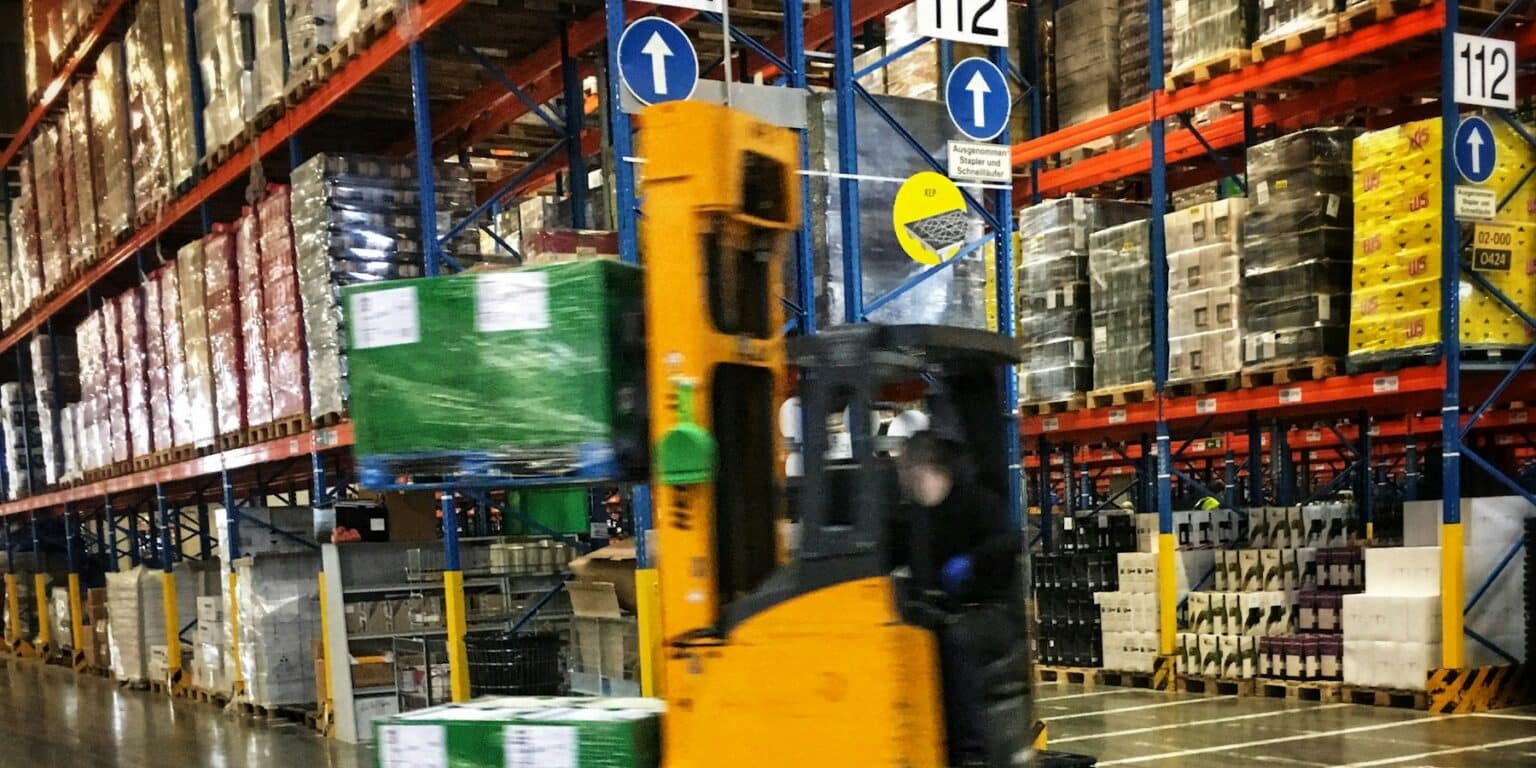
Unpaid balances we see in wholesale and distribution
Distributors run on volume and thin margins, and most of their customers buy on open account. One large customer that slows down can hold more of your money than your profit on a year of its orders. These are the accounts placed with us most often.
Open-account invoices past terms
Dealers, contractors, retailers and restaurants that buy on net 30 terms and slide to 60 or 90 days, paying the newest invoices and leaving the oldest ones open.
Customers over their credit limit
Orders keep shipping because the account is a good customer, while the balance climbs past the limit your credit department approved.
Deductions and unearned discounts
Short-pays for claimed shortages, damage or pricing errors, and early-payment discounts taken on late payments. For deductions taken by store chains, see collecting from retailers.
Returns and credit disputes
A customer claims credit for returned product you never received, or for returns outside your policy, and holds payment until the credit is issued.
Closed or sold businesses
The customer closes its doors, or sells the business, and the open balance is left with a company that no longer operates.
Accounts heading toward bankruptcy
Payments slow, calls go unanswered and orders shift to cash. These accounts need fast action, because bankruptcy rules change what you can collect and when.
Who owes you: the account, the guarantor or a successor
Trade credit is extended to a business, but the person you deal with is often its owner. Who is responsible for the balance depends on what was signed when the account was opened.
The business on the credit application
The legal entity named on the application owes the balance. Check that it matches the name on your invoices, because a trade name or a related company on the invoice can cause problems later.
An owner who signed a guarantee
If the owner signed a personal guarantee, that person can be responsible for the balance when the business does not pay. Our guide on collecting on a personal guarantee covers how to check what you have and how it is enforced.
Franchise and multi-location customers
Each location can be a separate company. A franchisor or a sister location is not responsible for another location’s bills unless it agreed to be. See franchise debt collection for suppliers.
A buyer of the business
When a customer sells its business, the buyer does not automatically take on the old company’s debts. The sale terms, a guarantee or the way the deal was structured decide whether it does, so tell us about any change of ownership.
The laws and deadlines that matter
Trade accounts are governed by state contract law, the Uniform Commercial Code (UCC) and, when a customer files, the federal Bankruptcy Code. Here are the rules that come up most for distributors.
Guarantees and the spouse rule
Federal Regulation B covers business credit too. If the applicant qualifies on its own under your credit standards, you cannot require the signature of a spouse or anyone other than a joint applicant. If you require a guarantor, you cannot insist that it be the applicant’s spouse.
Sources: 12 CFR § 1002.7 · § 1002.2Stopping goods before they arrive
If you learn a customer is insolvent, you can refuse further deliveries except for cash and stop goods that are still with the carrier. For truckload or larger shipments, you can also stop delivery when the customer fails to pay an amount due before delivery. The right ends once the customer receives the goods.
Sources: UCC § 2-702 · § 2-705Reclaiming goods outside bankruptcy
If an insolvent customer received goods on credit, you can demand them back within 10 days of receipt. The 10-day limit does not apply if the customer misrepresented its solvency to you in writing within 3 months before delivery.
Source: UCC § 2-702Reclamation in bankruptcy
If the customer files for bankruptcy, a seller can reclaim goods the customer received while insolvent within 45 days before the filing, with a written demand within 45 days after receipt, or within 20 days after the filing if that period runs past it. Secured lenders’ rights in the goods come first.
Source: 11 U.S.C. § 546(c)Priority for 20-day goods
The value of goods the customer received within 20 days before its bankruptcy filing, sold in the ordinary course of its business, can be claimed as an administrative expense, which is paid ahead of general unsecured claims. You can claim it even if you made no reclamation demand.
Sources: 11 U.S.C. § 503(b)(9) · § 507(a)(2) · § 546(c)Preference risk on recent payments
Payments a customer made on old invoices in the 90 days before its bankruptcy filing, or 1 year for insiders, can be challenged by the trustee and recovered. The customer is presumed insolvent during those 90 days. Defenses include payments made in the ordinary course of business or on ordinary business terms, new shipments you made after the payment, and, in business cases, transfers totaling less than $8,575.
Source: 11 U.S.C. § 547Securing the account ahead of the bank
A distributor that takes a purchase-money security interest in the inventory it sells can have priority over the customer’s lender, if the interest is perfected when the customer receives the goods and, where the lender filed first, the lender received written notice before then.
Source: UCC § 9-324Collection stops at the filing
A bankruptcy filing automatically stops any act to collect a debt that arose before the case began, including calls, letters and lawsuits. After a filing, the path is a proof of claim, not a collection demand.
Source: 11 U.S.C. § 362Documents to gather before you place the account
Trade credit collections depend on what the customer signed at the start and what your records show since. The more of this you can send, the faster we can move.
- Credit application, signed, with your terms of sale
- Personal guarantee, if one was signed, and any later amendments
- Credit limit approvals and changes, with dates
- Orders: purchase orders, order confirmations or online order records
- Delivery tickets and signed proof of delivery
- Invoices, a statement of account and an aging report
- Payment history for the last year, with check or payment dates, which matters if a bankruptcy follows
- Credit memos, return authorizations and deduction backup
- Security agreement and UCC financing statement, if you secured the account
- Emails or notes with promises to pay, disputes or news of a sale or closure
- Debtor details: legal name, trade names, addresses, owners and contacts
How Snap collects distribution accounts
We follow the same collection process as every account, adapted to how trade credit is extended and paid.
- Account reviewWe check the credit application, guarantee, invoices and delivery records, and confirm the legal entity and any guarantor responsible for the balance.
- Debtor researchWe confirm the business is still operating, look for a change of ownership or a bankruptcy filing, and update addresses and contacts for the company and the guarantor.
- Contact and documented disputesWe reach the owner or the person who controls payments, and answer shortage, pricing and return disputes with your delivery records and credit memos.
- Payment or a planPayment in full, a payment plan or a settlement within the limits you set. We send you collected funds the month after we receive them.
- Escalation if neededIf the account does not resolve, we recommend next steps, against the business, the guarantor or both. Legal action goes through licensed partner attorneys, and only with your written approval.
When to go to court
A lawsuit makes sense when the credit application and delivery records support the balance, the amount justifies the cost, and the business or the guarantor still has assets. A signed personal guarantee often makes suit worth it on accounts where the company itself has little left. Check the deadline for your account type and state on our statutes of limitations page. Our litigation collections page explains how filing works through our partner attorneys, and judgment collections covers what happens after the court rules, when a judgment debtor still has not paid. If your customer has filed for bankruptcy, stop collecting and read what to do when a customer files Chapter 11, which walks through claims, 20-day goods, reclamation and preferences in more detail.
Collecting trade accounts across the country
Distributors often sell into many states, and court rules, deadlines and judgment rules differ from one state to the next. Our state pages cover them for some of the busiest distribution states.
Wholesale and distribution collection FAQs
The owner signed a personal guarantee. Can you collect from them?
Yes, when the guarantee covers the balance. We check that the guarantee is signed, names the right business, and covers the debt and the period in question, then pursue the business and the guarantor together. If the business has closed, the guarantor is often the only real source of payment. Our guide on personal guarantees explains more.
Can we require the owner’s spouse to sign the guarantee?
Not as a rule. Under Regulation B, if the applicant qualifies under your credit standards, you cannot require a spouse’s signature, and if you need a guarantor, you cannot require that it be the spouse (12 CFR § 1002.7). A spouse can still sign voluntarily, for example as a joint applicant or as an owner of the business.
A customer is over its limit and behind. Should we keep shipping?
That is a credit decision, but the law gives you tools. If the customer is insolvent, you can refuse further deliveries except for cash, and stop goods that are still with the carrier (UCC §§ 2-702 and 2-705). Placing the account early, before the balance grows, usually leaves more to collect.
Our customer just filed for bankruptcy. What should we do?
Stop collection activity right away: the filing triggers an automatic stay (11 U.S.C. § 362). Then look at the last 20 days of deliveries, which may qualify as an administrative expense under § 503(b)(9), and at goods delivered in the last 45 days, which may be reclaimable with a prompt written demand under § 546(c). File a proof of claim for the rest. Our Chapter 11 guide covers each step.
We received a preference demand for payments the customer made before it filed. Do we have to pay it back?
Not always. Payments in the 90 days before the filing can be recovered under 11 U.S.C. § 547, but there are defenses, including payments made in the ordinary course of business or on ordinary business terms, and new shipments you made after a payment. Your payment history and invoice terms are the key evidence. A preference claim is a bankruptcy matter, so talk to a bankruptcy attorney before you respond.
The customer sold the business. Who pays the old balance?
The company that bought from you still owes it, even if it no longer operates. Whether the buyer also owes depends on the sale terms and how the deal was done, and a personal guarantee from the old owner may still apply. Send us anything you know about the sale.
What do you need from me to get started?
The signed credit application and any guarantee, invoices with delivery proof, a statement and aging, and your payment history. If the customer disputes the balance, include the dispute and your credit memos or delivery records.
How much does it cost?
Our fees depend on the age of the account, the balance and the volume you place. Send us the details for a free quote.
Sources
The rules on this page come from the federal Bankruptcy Code, federal Regulation B and the model Uniform Commercial Code sections below. UCC sections are model provisions that each state adopts in its own version, so the wording in your state can differ slightly.
- 11 U.S.C. § 547, Preferences (Legal Information Institute, Cornell Law School)
- 11 U.S.C. § 503, Allowance of administrative expenses (Legal Information Institute, Cornell Law School)
- 11 U.S.C. § 507, Priorities (Legal Information Institute, Cornell Law School)
- 11 U.S.C. § 546, Limitations on avoiding powers (Legal Information Institute, Cornell Law School)
- 11 U.S.C. § 362, Automatic stay (Legal Information Institute, Cornell Law School)
- 12 CFR § 1002.7, Rules concerning extensions of credit (Regulation B) (Legal Information Institute, Cornell Law School)
- 12 CFR § 1002.2, Definitions (Regulation B) (Legal Information Institute, Cornell Law School)
- UCC § 2-702, Seller’s remedies on discovery of buyer’s insolvency (Legal Information Institute, Cornell Law School)
- UCC § 2-705, Seller’s stoppage of delivery in transit or otherwise (Legal Information Institute, Cornell Law School)
- UCC § 9-324, Priority of purchase-money security interests (Legal Information Institute, Cornell Law School)
Last reviewed: November 8, 2026
Have an unpaid trade account?
Send us the account details and documents. We will review the account and tell you how we would collect it.
This page is general information for businesses, not legal advice. Laws and deadlines change and depend on the facts of each account; legal action is handled by licensed attorneys in the relevant state.