
Home › Industries › Waste Management
Industries · Home and property servicesWaste Management Debt Collection
Unpaid hauling invoices, roll-off overages, early termination charges and slow-paying public accounts. Snap Debt Recovery collects past-due commercial accounts for waste haulers, roll-off and dumpster rental companies, recycling processors and waste brokers in all 50 states, starting from the paperwork the work runs on: the service agreement, the renewal notices and the scale tickets.
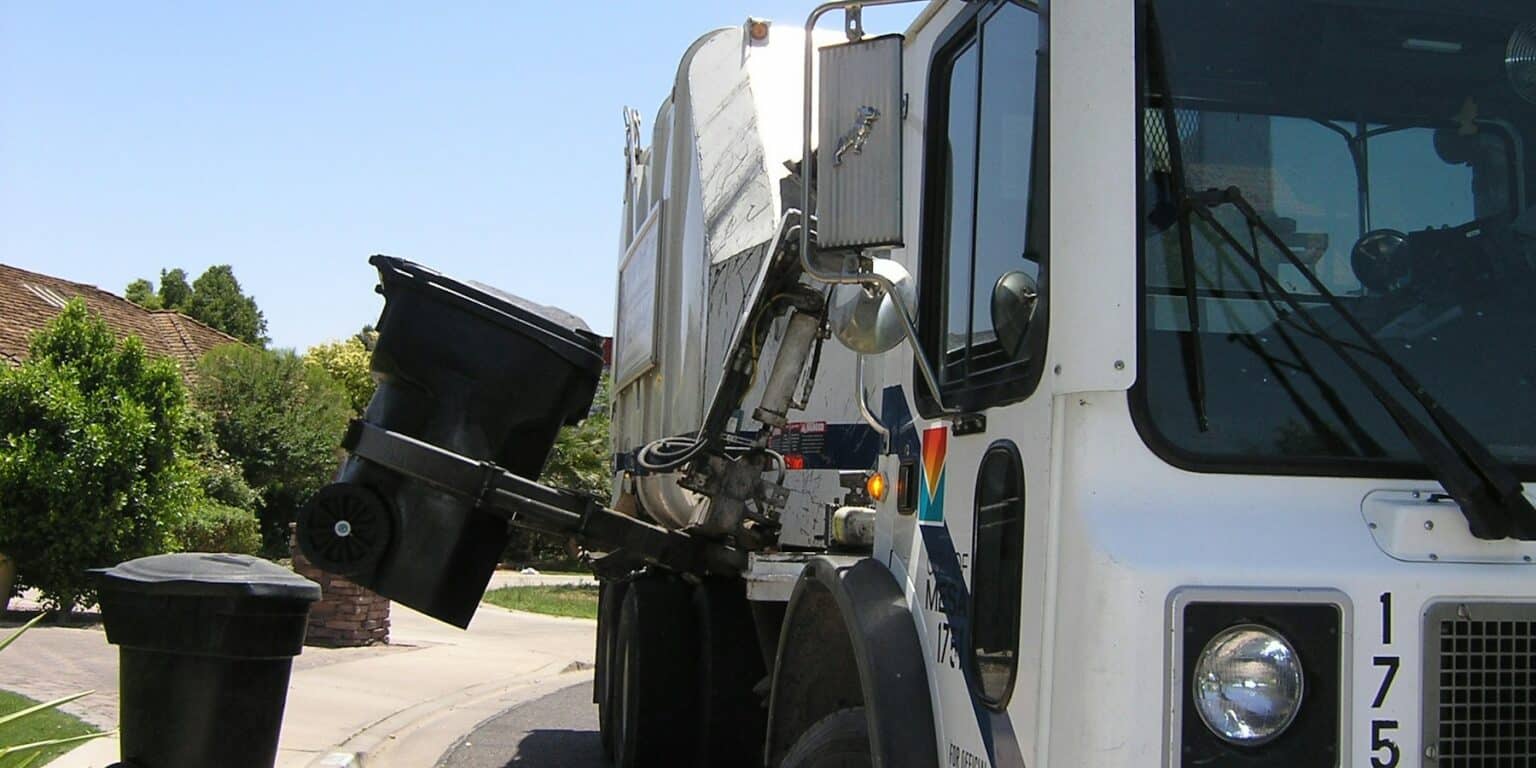
Unpaid balances we see in waste management
Hauling runs on recurring service and small charges that add up: pickups, rentals, tonnage and fees. When a customer stops paying, the trucks often keep running for weeks. These are the accounts placed with us most often.
Recurring service invoices past terms
Weekly or monthly front-load, rear-load and compactor service billed to restaurants, retailers, offices and apartment properties, with several months open before service is suspended.
Early termination charges
The customer switches haulers in the middle of a term, or right after a renewal, and refuses the termination charge or the remaining months the service agreement provides for.
Roll-off overages
Extra rental days, tonnage over the included weight, prohibited items, dry runs and trip charges when the container was blocked, all billed after the dumpster comes back.
Surcharges and rate increases
Fuel, environmental and recovery fees, or a rate increase under the contract, that the customer says it never agreed to and short-pays every month.
Lost and damaged containers
Containers that were damaged, moved or never returned when the customer closed or left the site, billed at repair or replacement cost.
Public and institutional accounts
Cities, counties, school districts and special districts that pay slowly while invoices wait for approval, purchase order matching or a board meeting.
Who owes you: customer, contractor, broker or public entity
The company you service is not always the company that signed. The party responsible for your balance comes from the service agreement or the rental order, not from the address on the route sheet.
A commercial customer signed the agreement
The business named in the service agreement owes the balance. Restaurants and retailers often operate through separate entities for each location, so the exact legal name on the agreement matters. If the owner signed a personal guarantee, that person can be responsible too.
A contractor ordered a roll-off
On construction and cleanout jobs, the contractor that placed the order is usually the party on the rental agreement, not the property owner. Your order form, job address and delivery ticket show who ordered and where the container went.
A property manager or broker placed the service
Property management companies and waste brokers often arrange service for properties they do not own. Who owes you depends on who signed your agreement and in what role, and for a broker, on the terms between you and the broker.
You serve a public entity
A city, county or school district owes you under its contract or purchase order. Public entities follow their own payment and approval rules, and in some states a prompt payment statute sets deadlines and interest.
Source: Tex. Gov’t Code ch. 2251Residential trash service billed to households is consumer debt, which follows the federal Fair Debt Collection Practices Act and state rules. See consumer collections for how we handle those.
The laws and deadlines that matter
Many hauling agreements renew automatically, and some states limit when a business can enforce an automatic renewal. Rules differ widely and change, so check the law of the state where the service is provided. Here are verified examples.
New York: renewal notice for service contracts
In a contract for service to real or personal property, an automatic renewal clause cannot be enforced against the customer unless the provider gave written notice, in person or by certified mail, 15 to 30 days before the customer’s deadline to cancel, calling attention to the renewal clause. It does not apply to renewal periods of one month or less.
Source: N.Y. Gen. Oblig. Law § 5-903Wisconsin: renewals of business contracts
For business service contracts that renew for more than a month, the seller must disclose the renewal on a separate signed form or conspicuously in the contract with the customer’s initials. When the initial and renewal terms are each over a year, it must also send notice 15 to 60 days before the decline deadline. Without these, the renewal is not enforceable and the contract ends with the current term. Contracts with government entities are excluded.
Source: Wis. Stat. § 134.49Texas: when public payments are overdue
A payment by a Texas state agency or political subdivision is overdue on the 31st day after the latest of the service being completed or the invoice being received. A political subdivision whose governing body meets once a month or less has until the 46th day. Overdue payments earn interest at 1% plus the prime rate.
Source: Tex. Gov’t Code §§ 2251.021, 2251.025Texas: disputes must be raised in 21 days
If a Texas governmental entity disputes an invoice, it must notify the vendor no later than the 21st day after it receives the invoice, with a detailed statement of the amount in dispute. Keep the date each invoice was received.
Source: Tex. Gov’t Code § 2251.042Deadlines to sue on unpaid service accounts are also set by each state. See our guide to statutes of limitations.
Documents to gather before you place the account
Hauling disputes turn on the agreement and the service records. The more of this you can send, the faster we can move.
- Signed service agreement with the term, renewal, rate increase and termination clauses
- Renewal notices you sent, with dates and proof of delivery such as certified mail receipts
- Rate increase and surcharge notices, if the dispute is about price
- Service records: route logs, pickup confirmations, GPS records and photos of overflow or blocked containers
- Roll-off rental orders with delivery and pickup tickets
- Scale tickets showing tonnage for each haul
- Contamination or damage photos and repair or replacement invoices for containers
- Invoices and a statement of account, with any credits issued
- Purchase orders and contract numbers for public accounts, and the date each invoice was received
- Debtor details: legal name, service and billing addresses, and contacts
How Snap collects waste management accounts
We follow the same collection process as every account, adapted to how hauling and rentals are billed.
- Agreement reviewWe read the service agreement or rental order, check the renewal and termination terms against your notices, and confirm which company is responsible for the balance.
- Debtor researchWe confirm the debtor’s legal name and current contacts, and whether the business is still operating at the service address, so you know where the account stands.
- Contact and documented disputesWe reach the people who approve payment, from the store or site manager to accounts payable to the owner, and answer tonnage, surcharge and termination disputes with your records.
- Payment or a planPayment in full, a payment plan or a settlement within the limits you set. We send you collected funds the month after we receive them.
- Escalation if neededIf the account does not resolve, we recommend next steps. Legal action goes through licensed partner attorneys, and only with your written approval.
When to go to court
A lawsuit makes sense when the agreement is signed, the service records and any renewal notices are solid, the balance justifies the cost, and the debtor still has assets or active operations. Smaller roll-off balances may fit small claims court, where limits are set by each state. Our litigation collections page explains how filing works through our partner attorneys, and judgment collections covers what happens after the court rules. If your customer has filed for bankruptcy, start with what to do when a customer files Chapter 11.
Collecting hauling accounts across the country
Haulers and brokers often serve customers in several states, and renewal rules and court procedures differ from one state to the next. Our state pages cover local deadlines, courts and judgment rules for some of the largest markets.
Waste management collection FAQs
The customer says our automatic renewal is not valid. Can we still collect?
It depends on the contract and the state where the service is provided. New York, for example, will not enforce an automatic renewal in a service contract unless the customer got written notice 15 to 30 days before its cancellation deadline (N.Y. Gen. Oblig. Law § 5-903). Wisconsin has its own disclosure and notice rules for business contracts (Wis. Stat. § 134.49). Send us the agreement and your renewal notices with their delivery dates, and we will review which charges the renewal supports.
The customer switched haulers before the term ended. Can we collect the termination charge?
If the agreement provides for a termination charge or the remaining payments, and the term or renewal was valid, that amount can be part of the balance. We look at the exact clause, the renewal history and when the customer gave notice before we make the demand.
The customer disputes the tonnage and extra days on a roll-off. What helps?
Scale tickets for each haul, the rental order showing the included weight and rental period, and the delivery and pickup tickets with dates. Photos of prohibited items or a blocked container support contamination and dry-run charges.
The customer closed and never returned our container. Can you collect for it?
Yes, if your agreement or rental order makes the customer responsible for the container. Send us the delivery ticket, the agreement terms on loss or damage, and the repair or replacement invoice. If the business has closed, we also look for any owner who signed a personal guarantee.
A city is paying our invoices late. Is there a deadline?
Rules for payments by public entities differ by state. In Texas, a payment by a city, county or other political subdivision is overdue on the 31st day after the later of the completed service or the received invoice, or the 46th day for some smaller bodies, and overdue payments earn interest (Tex. Gov’t Code ch. 2251). Check the rules in your state and keep the date each invoice was received.
Do you collect from households for residential trash service?
Yes, through our consumer collections service. Debts owed by individuals for household service are consumer debts, which follow the Fair Debt Collection Practices Act and state rules, so we handle them separately from commercial accounts.
What do you need from me to get started?
The signed service agreement or rental order, your renewal and rate notices, service records and scale tickets, your invoices and a statement of account. For public accounts, include the purchase order or contract number.
How much does it cost?
Our fees depend on the age of the account, the balance and the volume you place. Send us the details for a free quote.
Sources
The rules on this page come from the state statutes below. They are examples only; automatic renewal and public payment rules differ from state to state, so the law in your state can differ.
- N.Y. General Obligations Law § 5-903, Automatic renewal provision of contract for service, maintenance or repair (New York State Senate)
- Wis. Stat. § 134.49, Renewals and extensions of business contracts (Wisconsin State Legislature)
- Texas Government Code chapter 2251, Payment for goods and services (§§ 2251.021, 2251.025, 2251.042) (Texas Legislature)
Last reviewed: November 8, 2026
Have an unpaid hauling account?
Send us the service agreement and the open invoices. We will review the account and tell you how we would collect it.
This page is general information for businesses, not legal advice. Laws and deadlines change and depend on the facts of each account; legal action is handled by licensed attorneys in the relevant state.