
Home › Industries › Manufacturing
Industries · Manufacturing and tradeManufacturing Debt Collection
Production invoices past terms, cancelled custom orders, quality chargebacks and unpaid tooling. Snap Debt Recovery collects past-due accounts for manufacturers, contract manufacturers, and electronics and component makers in all 50 states, starting from the paperwork a sale of goods runs on: quotes, purchase orders, order acknowledgments and proof of delivery.
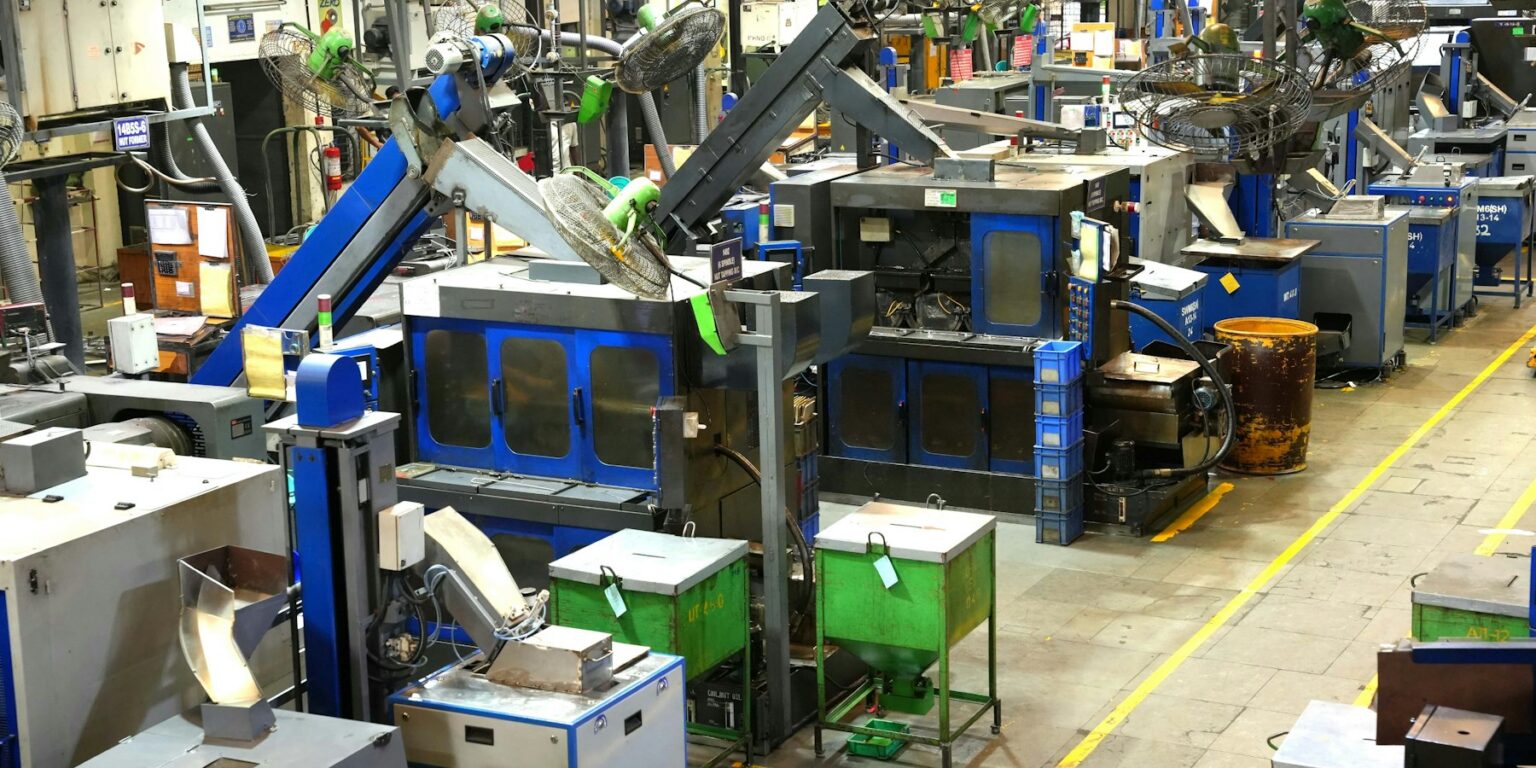
Unpaid balances we see in manufacturing
Manufacturers carry the cost of materials, labor and machine time long before an invoice goes out, so a customer that stops paying ties up money that was spent months earlier. These are the accounts placed with us most often.
Production invoices past terms
Large customers pay on their own schedule, stretching net 30 or net 60 terms, holding invoices for missing PO numbers, or waiting for a payment run that keeps moving.
Cancelled custom orders
A customer cancels or stops releasing a made-to-order job after the parts are built or the material is bought, and the parts have no other buyer.
Quality claims and chargebacks
The customer keeps and uses the parts, then deducts for alleged defects, late delivery or rework, without returning anything or following the rejection terms.
Price and surcharge disputes
The quote, the purchase order and the invoice show different prices, or the customer refuses a material or freight surcharge it agreed to by email.
Tooling, NRE and engineering charges
Molds, dies, fixtures, programming and non-recurring engineering (NRE) billed separately, then disputed or left unpaid when the program ends or moves to another supplier.
Electronics and component accounts
Component makers and contract manufacturers facing long lead times, allocation and price swings. Our article on payment pressure in tech supply chains looks at the current shortage.
Who owes you: the buyer, the OEM or the distributor
In a supply chain, the company that uses your part is not always the company that owes you for it. The purchase order and the contract decide who the buyer is.
You sold to an OEM
The original equipment manufacturer that issued the purchase order is the buyer. Supply agreements often add their own payment, acceptance and chargeback terms, so we read those with the PO.
You sold to a contract manufacturer
If a contract manufacturer issued the PO, it is usually your buyer, even if the parts were specified by its OEM customer. The OEM is generally not responsible unless it agreed to be, for example in a written guarantee or a direct supply agreement.
You sold to a distributor
A distributor buys your product for resale, so it owes you under its own terms, whether or not its customer has paid it. Watch for credits it claims for returns, stock rotation or price protection.
A parent company or an owner signed
A parent or affiliate is a separate company and is not responsible for its subsidiary’s bills unless it guaranteed them. If an owner signed a personal guarantee on your credit application, that person can also be responsible.
The laws and deadlines that matter
Sales of goods between businesses are governed by Article 2 of the Uniform Commercial Code (UCC), which states adopt in their own versions. Here are the rules that come up most in manufacturing collections.
Battle of the forms
When your order acknowledgment answers the customer’s purchase order with different terms, a contract is still usually formed. Between merchants, your added terms become part of it unless the PO limits acceptance to its own terms, the new terms materially change the deal, or the customer objects in time.
Source: UCC § 2-207The $500 writing rule and confirmations
A sale of goods for $500 or more generally needs a signed writing to be enforced. Between merchants, a written confirmation counts against the receiving company unless it objects in writing within 10 days of receiving it.
Source: UCC § 2-201Acceptance and rejection
A buyer accepts goods when it says they conform, keeps them after a fair chance to inspect, fails to reject them properly, or treats them as its own. Rejection only works if it comes within a reasonable time after delivery with notice to the seller. A buyer who accepts goods must pay the contract price.
Sources: UCC § 2-606 · § 2-602 · § 2-607Late defect claims
After accepting goods, a buyer must notify the seller of a breach within a reasonable time after it discovers it, or should have. A buyer that waits too long is barred from any remedy.
Source: UCC § 2-607Suing for the price
A seller can recover the price of goods the buyer accepted, and of goods made for the contract that cannot be resold at a reasonable price, plus reasonable incidental costs such as storing, shipping or reselling them.
Sources: UCC § 2-709 · § 2-7104 years to sue
A lawsuit for breach of a contract for sale must be filed within 4 years after the breach. The parties can shorten that to as little as 1 year in their original agreement, but cannot extend it, so check your terms and the customer’s.
Source: UCC § 2-725Reclamation from an insolvent buyer
If you find out a buyer received goods on credit while insolvent, you can demand them back within 10 days after it received them. You can also refuse further deliveries except for cash. The right does not reach goods already sold to a good-faith buyer.
Source: UCC § 2-702Demanding assurance before you ship more
When you have reasonable grounds to doubt a customer will pay, you can demand adequate assurance in writing and suspend shipments until you get it. If the customer does not respond within a reasonable time, no longer than 30 days, it has repudiated the contract.
Source: UCC § 2-609Documents to gather before you place the account
Manufacturing disputes usually come down to which terms applied and whether the goods were accepted. The more of this you can send, the faster we can move.
- Quote and any price or lead-time changes agreed afterward
- Purchase orders, blanket orders and releases, with every revision
- Order acknowledgment and your terms and conditions, with how and when they were sent
- Supply or distribution agreement, if there is one
- Credit application and any personal or parent guarantee
- Packing slips, bills of lading and signed proof of delivery
- Invoices and a statement of account, with any credits and chargebacks shown
- Inspection and quality records: certificates of conformance, first article approvals, RMAs and rejection notices
- Cancellation notices for custom orders, with your material and work-in-process costs
- Tooling or NRE agreements and approvals
- Emails approving price changes, surcharges or partial shipments
- Debtor details: legal entity name, addresses, buyer and accounts payable contacts
How Snap collects manufacturing accounts
We follow the same collection process as every account, adapted to how manufactured goods are ordered, shipped and paid.
- Paperwork reviewWe match the quote, purchase order, acknowledgment, shipping records and invoices, and work out which terms govern the sale.
- Debtor researchWe confirm the legal entity that placed the order, its current status and contacts, and whether a parent, owner or other party guaranteed the account.
- Contact and documented disputesWe reach accounts payable, purchasing and, when needed, the owner or finance lead, and answer quality and pricing disputes with your inspection records and approvals.
- Payment or a planPayment in full, a payment plan or a settlement within the limits you set. We send you collected funds the month after we receive them.
- Escalation if neededIf the account does not resolve, we recommend next steps. Legal action goes through licensed partner attorneys, and only with your written approval.
When to go to court
A lawsuit makes sense when the order documents are clear, the goods were accepted or built to the customer’s specifications, the balance justifies the cost, and the customer still has assets or operations. Check two things in the terms early: whether either side’s terms shortened the 4-year UCC deadline, and whether they require a specific court, venue or arbitration. Our litigation collections page explains how filing works through our partner attorneys, and judgment collections covers what happens after the court rules, when a judgment debtor still has not paid. If your customer has filed for bankruptcy, start with what to do when a customer files Chapter 11.
Collecting manufacturing accounts across the country
Manufacturers often ship to customers in many states, and court rules and deadlines outside the UCC differ from one state to the next. Our state pages cover local deadlines, courts and judgment rules for some of the busiest manufacturing states.
Manufacturing collection FAQs
Their purchase order and our terms and conditions conflict. Whose terms apply?
It depends on the documents. Under UCC § 2-207, an acknowledgment with different terms usually still forms a contract, and between merchants your added terms become part of it unless the PO limited acceptance to its own terms, the terms materially change the deal, or the customer objected in time. If the documents never formed a contract but both sides shipped and paid, the terms are the ones the writings agree on plus the UCC’s default rules. We read both sets of terms before we respond to a dispute.
The customer used the parts for months and now says they were defective. Do they still have to pay?
Usually the question is whether they accepted the goods. A buyer that keeps goods after a fair chance to inspect, or uses them as its own, has generally accepted them and must pay the contract price (UCC §§ 2-606 and 2-607). It must also notify you of a breach within a reasonable time after discovering it, or lose any remedy. Send us your delivery dates, inspection records and every quality complaint with its date.
A customer cancelled a custom order after we built it. Can we collect?
Often, yes. When goods were made for the contract and cannot be resold at a reasonable price, the seller can recover the price, plus reasonable incidental costs such as storage and shipping (UCC §§ 2-709 and 2-710). Your quote, the PO, any cancellation terms and proof that the parts are custom matter most.
How long do we have to sue a customer for an unpaid invoice?
For a contract for the sale of goods, the UCC sets 4 years from the breach, and the parties can shorten it to no less than 1 year in their original agreement (UCC § 2-725). Purchase orders and terms sometimes do that, so check both sets. For other kinds of debts, see statutes of limitations.
Our customer looks insolvent. Can we get our goods back?
Possibly, but you have to act fast. A seller that discovers a buyer received goods on credit while insolvent can demand them back within 10 days after receipt, and can refuse further deliveries except for cash (UCC § 2-702). If the customer has already filed for bankruptcy, different rules and deadlines apply, so read what to do when a customer files Chapter 11 and tell us right away.
We sold through a distributor and its customer did not pay. Who owes us?
In most cases, the distributor. It bought the product from you, so its payment terms with you apply whether or not its own customer paid. Your distribution agreement may say otherwise, for example on returns or price protection, so send it with the account.
What do you need from me to get started?
The quote, purchase order, order acknowledgment and terms, shipping records with proof of delivery, invoices and a statement. If the customer disputes quality or price, include the complaint, your inspection records and any emails approving the price.
How much does it cost?
Our fees depend on the age of the account, the balance and the volume you place. Send us the details for a free quote.
Sources
The rules on this page come from Article 2 of the Uniform Commercial Code (UCC). UCC sections are model provisions that each state adopts in its own version, so the wording in your state can differ slightly.
- UCC § 2-201, Formal requirements; statute of frauds (Legal Information Institute, Cornell Law School)
- UCC § 2-207, Additional terms in acceptance or confirmation (Legal Information Institute, Cornell Law School)
- UCC § 2-602, Manner and effect of rightful rejection (Legal Information Institute, Cornell Law School)
- UCC § 2-606, What constitutes acceptance of goods (Legal Information Institute, Cornell Law School)
- UCC § 2-607, Effect of acceptance; notice of breach (Legal Information Institute, Cornell Law School)
- UCC § 2-609, Right to adequate assurance of performance (Legal Information Institute, Cornell Law School)
- UCC § 2-702, Seller’s remedies on discovery of buyer’s insolvency (Legal Information Institute, Cornell Law School)
- UCC § 2-709, Action for the price (Legal Information Institute, Cornell Law School)
- UCC § 2-710, Seller’s incidental damages (Legal Information Institute, Cornell Law School)
- UCC § 2-725, Statute of limitations in contracts for sale (Legal Information Institute, Cornell Law School)
Last reviewed: November 8, 2026
Have an unpaid manufacturing account?
Send us the order details and documents. We will review the account and tell you how we would collect it.
This page is general information for businesses, not legal advice. Laws and deadlines change and depend on the facts of each account; legal action is handled by licensed attorneys in the relevant state.