
Home › Industries › Equipment Rental
Industries · Construction and real estateEquipment Rental Debt Collection
Rent that keeps running past the job, machines that never come back, and damage, fuel and cleaning charges the customer will not pay. Snap Debt Recovery collects past-due accounts for equipment rental companies, tool and aerial lift rental yards, and dealers with rental fleets in all 50 states, starting from the paperwork rental runs on: the rental contract, the delivery and return tickets and the off-rent record.
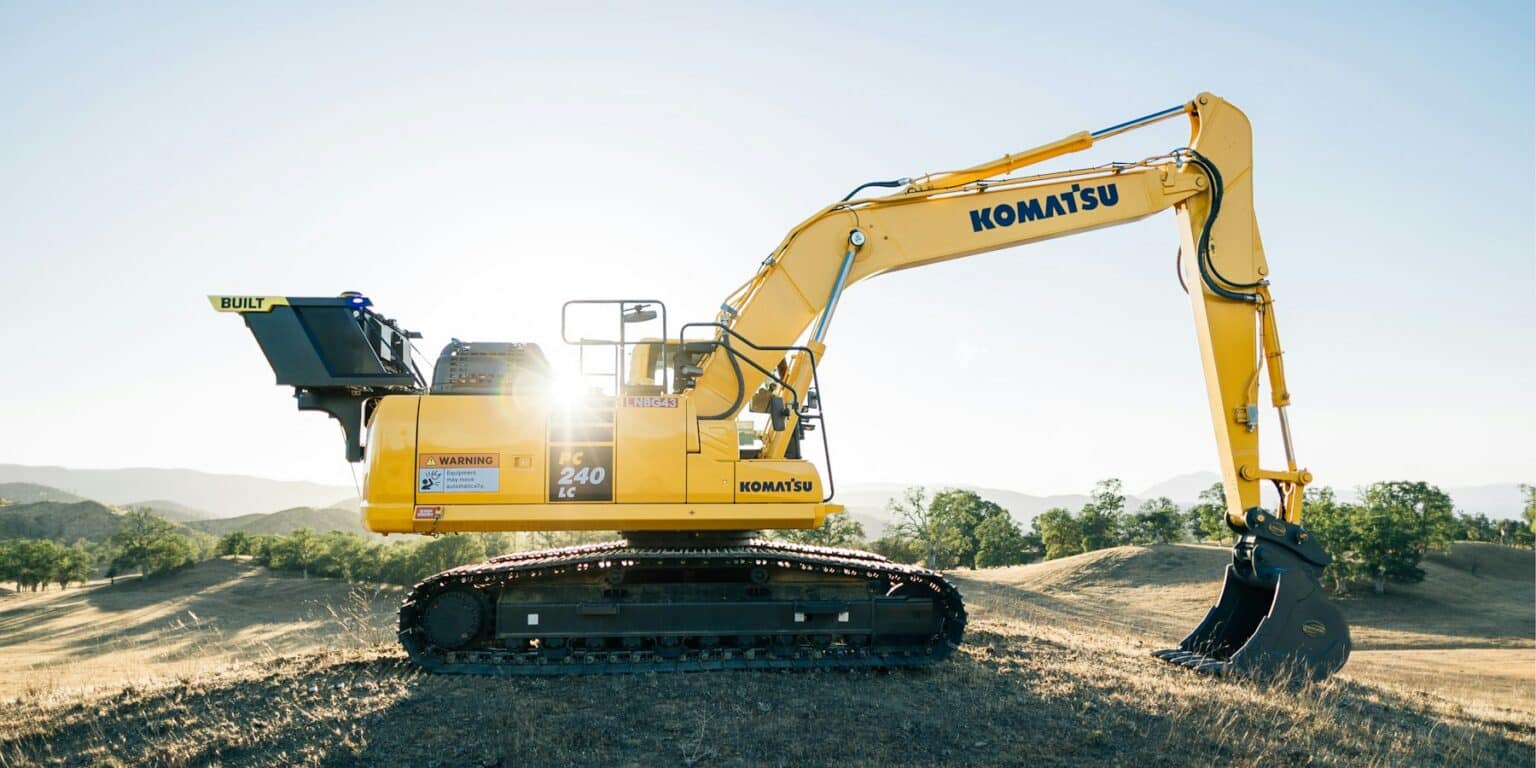
Unpaid balances we see in equipment rental
A rental account can grow every day a unit stays out. These are the balances rental companies place with us most often.
Open contractor accounts past terms
Monthly or four-week billing cycles that slip behind while the customer keeps the same machines on other jobs.
Equipment kept past the off-rent date
The customer stops paying but never calls the unit off rent, so charges keep running and the machine sits on a site you may not have access to.
Unreturned or missing equipment
The job ended, the crew moved on, or the unit was lost or stolen while on rent. The claim becomes unpaid rent plus the replacement charge in your contract.
Damage beyond normal wear
Broken glass, hydraulic leaks, bent forks, torn tracks, damaged buckets. Most disputes start when check-out and check-in condition were not recorded.
Fuel, cleaning and haul charges
Refueling at the contract rate, cleaning units returned caked in concrete or mud, delivery and pickup fees. Small on each invoice, they add up across a fleet.
Disputed fees and waivers
Damage waiver, environmental and other fees the customer says it never agreed to. These hold up best when they are on the signed contract or the terms the customer accepted.
Who owes you: account holder, contractor or project
Rental equipment often passes through several hands on a job. Who is legally responsible comes from the rental contract and the credit application, not from who signed the delivery ticket.
The company on the account
The business that signed the rental agreement or credit application is usually responsible for the charges, even when an employee or a subcontractor’s crew picked up the unit.
A subcontractor on a construction job
If you rented to a subcontractor, the general contractor and the owner do not owe you just because the machine worked on their project. Lien and bond rights, covered below, can still give you a claim that reaches the project. When builders merge or change hands mid-project, see who pays the contractors when homebuilders merge.
The owner who signed a guarantee
Many rental credit applications include a personal guarantee. If the owner signed one, that person can be responsible when the company does not pay or closes.
Homeowners and walk-in renters
Rental yards also rent tools and machines to individuals for personal projects. Those balances are consumer debts, and consumer collections follow the federal Fair Debt Collection Practices Act and state rules. See consumer collections.
The laws and deadlines that matter
Equipment rentals are leases of goods, so most states apply their version of UCC Article 2A, plus state lien and bond laws when the equipment works on a construction project.
4 years to sue for a lease default
Under the model UCC, a claim for default under a lease must be filed within 4 years after the claim accrues. The lease can shorten that period, but not below 1 year, so check your rental terms. States adopt Article 2A with their own changes, and other claims follow state deadlines, see statutes of limitations.
Source: UCC § 2A-506Taking the equipment back
After a payment default, a lessor may take possession of the goods. It can do that without going to court only if it can be done without a breach of the peace. Otherwise, it has to go through the court. On a locked or guarded job site, that usually means a court order.
Source: UCC § 2A-525Rent and damages after default
When a customer fails to pay, the lessor can cancel the lease, take the goods back and recover damages, or in some cases recover the rent. For equipment the customer kept and never returned, that rent can include what accrued through judgment plus the present value of the rest of the term.
Sources: UCC § 2A-523 · UCC § 2A-529Charges set in advance must be reasonable
A rental contract can set damages in advance with a fixed amount or a formula, such as a replacement charge for a unit that is not returned. The amount has to be reasonable in light of the harm expected at the time of the default.
Source: UCC § 2A-504Rent-to-own can be a sale on credit
A long-term lease that the customer cannot cancel, with a purchase option for nothing or a nominal amount, can be a security interest rather than a true lease. That changes which rules apply. Lessors can file a precautionary UCC financing statement without that filing deciding the question.
Sources: UCC § 1-203 · UCC § 9-505Payment bonds on federal projects
On federal construction contracts covered by the Miller Act, a person who furnished labor or material and was not paid within 90 days can sue on the payment bond. If you rented to a subcontractor, you must give the prime contractor written notice within 90 days of your last furnishing. Suit must be filed within 1 year. Whether specific rental charges count as labor or material can be disputed, so we review it with partner attorneys.
Source: 40 U.S.C. § 3133State lien rights for rental equipment
State mechanics lien and bond laws differ on whether rental equipment is covered and on their notice deadlines. California, for example, names equipment lessors among those with a lien right, and a preliminary notice must be given within 20 days of first furnishing to protect full rights. Check your state’s statute before relying on a lien.
Sources: Cal. Civ. Code § 8400 · Cal. Civ. Code § 8204Documents to gather before you place the account
Rental disputes come down to dates, condition and what the customer signed. The more of this you can send, the faster we can move.
- Signed rental agreement or the online terms the customer accepted
- Credit application and any personal guarantee
- Delivery and pickup tickets, with dates and hour meter readings
- Off-rent record: call-off date and time, confirmation number
- Check-out and check-in inspections, with photos
- Repair orders, parts invoices and labor for damage charges
- Fuel and cleaning backup: fuel levels out and in, the contract rates
- Invoices and a statement of account by contract and unit number
- Job details: site address, the general contractor and owner, any preliminary notices or bond information
- Debtor details: legal name, addresses, contacts and the jobs where units may still be
How Snap collects equipment rental accounts
We follow the same collection process as every account, adapted to how rental is billed and disputed.
- Contract reviewWe check the rental agreement, delivery and return tickets and the off-rent record, and confirm which company is responsible and which charges are documented.
- Debtor and job researchWe confirm the debtor’s current contacts and active jobs, and flag lien or bond deadlines on your projects that may still be open, so you can decide whether to act on them.
- Contact and documented disputesWe reach the right people, from the project manager to the owner, and answer damage, fuel and off-rent disputes with your inspections, photos and tickets.
- Payment or a planPayment in full, a payment plan or a settlement within the limits you set. We send you collected funds the month after we receive them.
- Escalation if neededIf the account does not resolve, we recommend next steps. Legal action goes through licensed partner attorneys, and only with your written approval.
When to go to court
A lawsuit makes sense when the contract and tickets are solid, the balance justifies the cost, and the customer still has assets or active work. When equipment is still out and the customer will not return it, the attorney can ask the court for the equipment as well as the money. Lien and bond deadlines run on their own, and they are short, so do not wait on them while you chase payment. Our litigation collections page explains how filing works through our partner attorneys, and judgment collections covers what happens after the court rules, when a judgment debtor still has not paid. If your customer has filed for bankruptcy, start with what to do when a customer files Chapter 11.
Collecting rental accounts across the country
Rental customers work across state lines, and lien rules and court procedures change from one state to the next. Our state pages cover local deadlines, courts and judgment rules for some of the busiest construction states.
Equipment rental collection FAQs
The customer stopped paying but still has our equipment. What can we do?
Send the account to us with the contract and the delivery ticket, and keep a record of every off-rent request. After a payment default, the model UCC lets a lessor take the equipment back without going to court only if that can be done without a breach of the peace; otherwise it takes a court action (UCC § 2A-525). We press for payment and an off-rent date at the same time, and if the customer refuses, we recommend next steps with partner attorneys.
Can we charge for equipment that was never returned?
Usually, yes, if your contract provides for it. Rent that accrued while the customer kept the unit, plus the replacement charge in your terms, are the normal claims. A charge set in advance has to be reasonable in light of the harm expected at the time (UCC § 2A-504), so a replacement value tied to the unit’s actual value holds up better than a flat penalty.
The customer says the damage was already there. How do you handle that?
We answer it with your check-out and check-in inspections, photos and hour meter readings, and with the repair order and parts invoices. When the unit went out without a documented inspection, the dispute is harder, and we will tell you so before we spend time on it.
Can we file a lien for rental equipment used on a construction job?
It depends on the state and the project. California names equipment lessors among those with a mechanics lien right, with a 20-day preliminary notice to protect full rights (Cal. Civ. Code §§ 8400, 8204). On federal projects, the Miller Act payment bond is the usual route, with a 90-day notice for suppliers who rented to a subcontractor (40 U.S.C. § 3133). Other states set their own rules and deadlines, which are often short, so place the account early.
How long do we have to collect an unpaid rental account?
Under the model UCC, a claim for a lease default must be filed within 4 years after it accrues, and the lease can shorten that to as little as 1 year (UCC § 2A-506). Your state’s version of Article 2A and your own contract terms control, so check both. In practice, the sooner an account is placed, the better: contractors can close, move or change names before any deadline.
Do you collect from homeowners and walk-in customers?
Yes. Balances owed by individuals for personal projects are consumer debts, and we collect them under the federal Fair Debt Collection Practices Act and state rules. See our consumer collections page.
What do you need from me to get started?
The signed rental agreement or accepted terms, the credit application, delivery and return tickets, the off-rent record, your invoices and any inspection photos or repair orders behind damage charges. For construction jobs, include the site address and the names of the general contractor and owner.
How much does it cost?
Our fees depend on the age of the account, the balance and the volume you place. Send us the details for a free quote.
Sources
The rules on this page come from the model commercial code sections, federal law and California statutes below. The Uniform Commercial Code (UCC) sections are model provisions that each state adopts in its own version, so the wording in your state can differ. The California sections are one state’s example; lien and bond rules vary by state.
- UCC § 2A-506, Statute of limitations (Legal Information Institute, Cornell Law School)
- UCC § 2A-525, Lessor’s right to possession of goods (Legal Information Institute, Cornell Law School)
- UCC § 2A-523, Lessor’s remedies (Legal Information Institute, Cornell Law School)
- UCC § 2A-529, Lessor’s action for the rent (Legal Information Institute, Cornell Law School)
- UCC § 2A-504, Liquidation of damages (Legal Information Institute, Cornell Law School)
- UCC § 1-203, Lease distinguished from security interest (Legal Information Institute, Cornell Law School)
- UCC § 9-505, Filing for consignments, leases, other bailments and other transactions (Legal Information Institute, Cornell Law School)
- 40 U.S.C. § 3133, Rights of persons furnishing labor or material (Miller Act) (Legal Information Institute, Cornell Law School)
- Cal. Civ. Code § 8400, Persons with a mechanics lien right (California Codes, public.law)
- Cal. Civ. Code § 8204, Deadline for preliminary notice (California Codes, public.law)
Last reviewed: November 8, 2026
Have an unpaid rental account?
Send us the contract, tickets and invoices. We will review the account and tell you how we would collect it.
This page is general information for businesses, not legal advice. Laws and deadlines change and depend on the facts of each account; legal action is handled by licensed attorneys in the relevant state.