
Home › Industries › Construction
Industries · Construction and real estateConstruction Debt Collection
Unpaid progress billings, retainage that never gets released, disputed change orders and supplier invoices. Snap Debt Recovery collects past-due construction accounts for subcontractors, general contractors, material suppliers and equipment rental companies in all 50 states, starting from the paperwork a job runs on: contracts, pay applications, change orders and lien waivers.
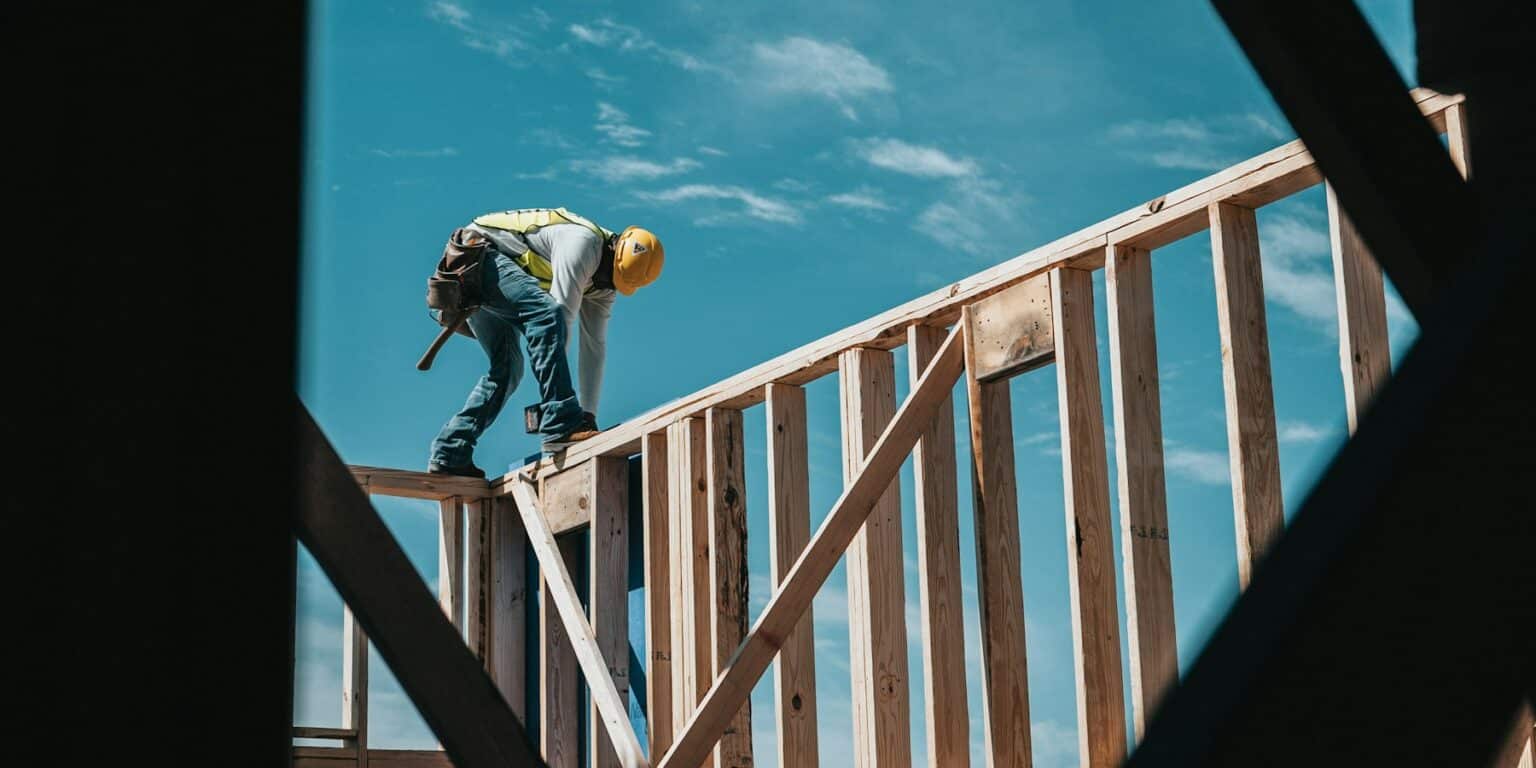
Unpaid balances we see in construction
Money on a construction job flows down a chain, from the owner to the general contractor, to the subcontractors, to their suppliers. When one link stops paying, everyone below it waits. These are the accounts placed with us most often.
Progress billings past terms
A pay application is approved, or never formally rejected, and the payment still does not come. The excuse is usually that the owner or lender has not released the draw.
Retainage held after the work is done
The 5 or 10 percent held back from each payment is still unpaid months after substantial completion, tied to a punch list, closeout documents or another trade’s work.
Change orders and extra work
Work added in the field on a verbal or email directive, then disputed once the invoice arrives because the change order was never signed or priced.
Back charges and offsets
The contractor above you deducts for alleged delays, cleanup, damage or rework, often without notice and often for more than the cost of the issue.
Supplier accounts with contractors
Lumber, concrete, electrical, plumbing and HVAC supply houses selling on open account to contractors who fall behind once a project stalls.
Owner and developer balances
The general contractor’s final payment, or the last few draws, go unpaid when the project’s financing runs short or the property is sold. See collecting from commercial real estate developers.
Who owes you: owner, contractor, surety or guarantor
On most jobs, you can only invoice the company you contracted with. But depending on your tier, the type of project and the steps you took during the job, other parties can become responsible for the balance.
You are a subcontractor
Your subcontract is with the general contractor, so the general contractor owes you. Whether it can wait until the owner pays depends on the payment clause and on your state’s law, covered below.
You supplied a subcontractor
You have no contract with the general contractor or the owner, but you may still have lien rights against the property on a private job, or bond rights on a public job, if you sent the required notices on time.
You are the general contractor
The owner or developer owes you under the prime contract. Many developers build through a single-project company, so a personal guarantee or the project’s lien rights can matter more than the company itself.
You worked on a public project
On federal jobs, and on state and local jobs covered by state bond laws, the general contractor posts a payment bond. If it does not pay, the surety that issued the bond can be responsible, as long as your claim is made on time.
Your customer merged or was bought
When a homebuilder or contractor changes hands, the buyer does not always take on the old company’s bills. Our guide on homebuilder mergers and who pays the contractors explains what to check.
You worked for a homeowner
A homeowner’s balance for work on their own home is a consumer debt. Consumer collections follow the FDCPA and state rules, so we handle them as consumer collections, not commercial accounts.
The laws and deadlines that matter
Construction collections run on deadlines, and most of them are set by state law. Here are the ones that come up most. The state examples below are from Florida and North Carolina; your state’s rules can be very different.
Mechanic’s lien deadlines vary by state
Every state sets its own notice, filing and enforcement deadlines for mechanic’s liens. In Florida, for example, a lienor without a direct contract with the owner must serve a notice to owner within 45 days of starting work, the claim of lien must be recorded within 90 days after final furnishing, and the lien expires unless a lawsuit to enforce it is filed within 1 year of recording.
Sources: Fla. Stat. § 713.06 · § 713.08 · § 713.22Miller Act payment bonds on federal jobs
The Miller Act requires a payment bond on federal construction contracts over $100,000, and the Federal Acquisition Regulation applies it to contracts over $150,000. The bond protects everyone who supplies labor and materials for the work, and its amount is normally the full contract price.
Sources: 40 U.S.C. § 3131 · FAR 28.102-1Miller Act claim deadlines
A claimant can sue on the bond once 90 days have passed since its last labor or delivery without full payment. Second-tier claimants, who contracted with a subcontractor and not the prime, must first give the prime written notice within those 90 days. The lawsuit must be filed in federal court within 1 year after the last labor or delivery.
Source: 40 U.S.C. § 3133Little Miller Acts on state and local jobs
State and local public projects follow state bond laws, often called Little Miller Acts, with their own thresholds and notice rules. In Florida, a claimant without a direct contract with the prime must serve a notice of nonpayment no later than 90 days after its final furnishing, and sue on the bond within 1 year.
Source: Fla. Stat. § 255.05Prompt payment acts
On federal jobs, the prime contractor must pay subcontractors within 7 days of being paid by the agency, owes an interest penalty on late payments, and must pass the same terms down to every lower tier. State prompt payment laws, where they apply, set their own deadlines and interest rates.
Source: 31 U.S.C. § 3905Retainage limits
On federal contracts, retainage may not exceed 10 percent of the approved amount and must be paid promptly once all contract requirements are complete. States set their own caps for public work. Florida, for example, limits retainage on public construction to 5 percent of each progress payment.
Sources: FAR 32.103 · Fla. Stat. § 255.078Pay-when-paid and pay-if-paid clauses
A pay-when-paid clause can set the timing of payment. A pay-if-paid clause tries to make the owner’s payment a condition of yours. States treat them differently. North Carolina, for example, makes any agreement that conditions a subcontractor’s payment on the owner paying first unenforceable.
Source: N.C. Gen. Stat. § 22C-2Documents to gather before you place the account
Construction disputes are decided by what was signed, sent and recorded during the job. The more of this you can send, the faster we can move.
- Contract or subcontract, including the payment, retainage and dispute clauses
- Pay applications and schedules of values, with any approvals or rejections
- Change orders, field directives and emails or texts authorizing extra work
- Invoices and a statement of account, with retainage shown separately
- Lien waivers you signed, conditional and unconditional, with their dates and amounts
- Preliminary notices or notices to owner, with proof of when and how they were served
- Recorded lien, if you filed one, with the recording date
- Bond details for public jobs: surety name, bond number and the public agency
- Back-charge notices and your responses, plus daily logs, delivery tickets and photos
- Credit application and any personal guarantee, for supplier accounts
- Project details: owner, property address, general contractor and permit number
How Snap collects construction accounts
We follow the same collection process as every account, adapted to how construction is contracted and paid.
- Paperwork and timeline reviewWe read the contract, pay applications, change orders and lien waivers, and note on the timeline any lien or bond dates that could run out while the account is open.
- Finding every responsible partyWe confirm who owes the balance: the contractor above you, the owner, a surety on a bonded job or a guarantor, and check the debtor’s current status and contacts.
- Contact and documented disputesWe reach the right people, from the project manager to the owner of the company, and answer back-charge, change-order and retainage disputes with your documents.
- Payment or a planPayment in full, a payment plan or a settlement within the limits you set. We send you collected funds the month after we receive them.
- Escalation if neededIf the account does not resolve, we recommend next steps. Legal action, including lien enforcement and bond claims, goes through licensed partner attorneys, and only with your written approval.
When to go to court
A lawsuit makes sense when the contract and change orders support the balance, the amount justifies the cost, and there is property, a bond or a solvent company to collect from. In construction, timing often decides the case: a lien that is not enforced within the state’s deadline can be lost, and a Miller Act bond claim must be filed in federal court within 1 year of your last work. Our litigation collections page explains how filing works through our partner attorneys, and judgment collections covers what happens after the court rules, when a judgment debtor still has not paid. If the contractor or developer has filed for bankruptcy, start with what to do when a customer files Chapter 11.
Collecting construction accounts across the country
Contractors often work in several states, and lien, bond and court rules differ from one state to the next. Our state pages cover local deadlines, courts and judgment rules for some of the busiest construction states.
Construction collection FAQs
How long do I have to file a mechanic’s lien?
It depends on the state, and the deadlines are strict. In Florida, for example, the claim of lien must be recorded within 90 days after your final furnishing of labor or materials, and lienors without a direct contract with the owner must also have served a notice to owner within 45 days of starting work (Fla. Stat. §§ 713.06 and 713.08). Other states use different deadlines and notices. If a lien deadline is close, tell us when you place the account.
My subcontract says I get paid when the owner pays. Does the contractor still owe me?
It depends on the wording and the state. Some clauses only set the timing of payment, not whether you get paid at all. A pay-if-paid clause goes further, and some states limit or ban it: North Carolina, for example, makes these conditions unenforceable (N.C. Gen. Stat. § 22C-2). We read the exact wording of your clause and check the rule in the state that governs the contract.
What if the job was a federal or state public project?
Look to the payment bond. On federal contracts, the Miller Act bond lets unpaid subcontractors and suppliers sue the surety after 90 days without full payment, and second-tier claimants must first give the prime written notice within 90 days of their last work. The suit must be filed within 1 year (40 U.S.C. § 3133). State and local projects follow state bond laws with their own deadlines.
The job is finished, but my retainage has not been released. What can I do?
Start with the contract: it should say when retainage is due, such as at substantial completion, final completion or closeout. Many states also set rules for retainage, especially on public work, and on federal contracts retained amounts must be paid promptly once all contract requirements are complete (FAR 32.103). Send us the contract, your final pay application and any punch list or closeout correspondence.
The general contractor took back charges out of my payment. Can you collect them?
Back charges have to be supported. We ask the contractor for the basis of each deduction and compare it with your contract’s notice and back-charge terms, your daily logs and your photos. Deductions taken without notice or backup are the first ones we challenge.
Can I collect for a change order that was never signed?
Sometimes. An unsigned change order is weaker, but emails, texts, field directives, meeting minutes and payment on similar extras can show the work was requested and approved. Send everything you have, including who asked for the work and when.
Did signing a lien waiver hurt my claim?
It can. A waiver can give up lien or payment rights for the period or amount it covers, and the effect of a conditional or unconditional waiver depends on its wording and the state. Send us every waiver you signed so we can see what balance is still open.
How much does it cost?
Our fees depend on the age of the account, the balance and the volume you place. Send us the details for a free quote.
Sources
The rules on this page come from the federal laws and regulations below and from the Florida and North Carolina statutes used as state examples. Construction lien, bond, retainage and prompt payment rules differ by state, so check the law of the state where the project is located.
- 40 U.S.C. § 3131, Bonds of contractors of public buildings or works (Miller Act) (Legal Information Institute, Cornell Law School)
- 40 U.S.C. § 3133, Rights of persons furnishing labor or material (Legal Information Institute, Cornell Law School)
- FAR 28.102-1, Construction bonds: general (Electronic Code of Federal Regulations)
- 31 U.S.C. § 3905, Payment provisions relating to construction contracts (Legal Information Institute, Cornell Law School)
- FAR 32.103, Progress payments under construction contracts (Electronic Code of Federal Regulations)
- Fla. Stat. § 713.06, Liens of persons not in privity; notice to owner (The Florida Senate)
- Fla. Stat. § 713.08, Claim of lien (The Florida Senate)
- Fla. Stat. § 713.22, Duration of lien (The Florida Senate)
- Fla. Stat. § 255.05, Bond of contractor constructing public buildings (The Florida Senate)
- Fla. Stat. § 255.078, Public construction retainage (The Florida Senate)
- N.C. Gen. Stat. § 22C-2, Performance by subcontractor; payment not conditioned on payment by owner (North Carolina General Assembly)
Last reviewed: November 8, 2026
Have an unpaid construction account?
Send us the project details and documents. We will review the account and tell you how we would collect it.
This page is general information for businesses, not legal advice. Laws and deadlines change and depend on the facts of each account; legal action is handled by licensed attorneys in the relevant state.