
A Customer Sent a ‘Paid in Full’ Check for Less Than They Owe. Should You Cash It?
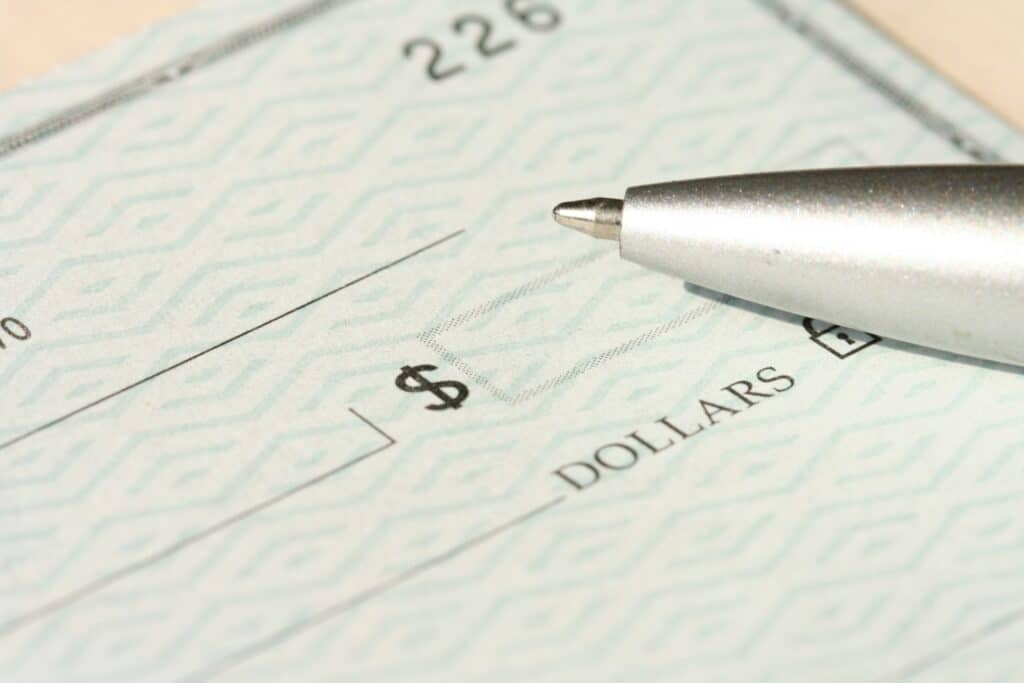
A customer sent a check marked “paid in full” for less than they owe. Why cashing it can settle the whole debt, when it does not, and what to do before you deposit it.
The Business Won’t Pay, but the Owner Signed a Personal Guarantee. Now What?
Your customer’s business stopped paying, but the owner signed a personal guarantee. How to check that it holds up, what bankruptcy changes, and how collection against a guarantor usually works.
Your Customer Filed Chapter 11. What Happens to the Money They Owe You?

Your customer filed Chapter 11. Here is what the automatic stay means, how to make sure your claim counts, the supplier rights with short deadlines, and when a collection agency can still help.
Tenant Moved Out Owing Rent and Damages? How Landlords Recover the Balance

A former tenant left owing rent and damages the deposit did not cover? Here is how landlords document the balance, find the tenant and recover what is owed.
Overdue Invoices: When to Stop Waiting and Place a Past-Due Account

59% of small businesses now carry invoices 30 or more days overdue. Here is a practical 30/60/90-day plan for past-due accounts, the warning signs to watch for, and when to bring in a collection partner.
Franchise Debt Collection: What McDonald’s $8.5 Billion Franchisee Pledge Says About Receivables Risk

McDonald’s is putting $8.5 billion behind its franchisees. For franchisors, suppliers and landlords without that cushion, unpaid franchise balances are a growing risk. Here is how to spot them early and recover them without breaking the relationship.