
Oil and Gas Debt Collection in 2026: Why Payment Challenges Persist Despite Higher Prices
B2B Debt in the Oil & Gas Sector in 2026: Mixed Cash Flow Amid Geopolitical Uncertainty
The conflict involving Iran and ongoing geopolitical tensions in the Middle East have pushed oil prices significantly higher in 2026, with WTI crude averaging near $100 per barrel in recent months. While higher prices have improved cash flow for many exploration and production (E&P) companies, the broader oil and gas sector continues to face payment challenges, particularly among oilfield service providers and suppliers.
Despite stronger revenues for producers, B2B delinquencies and extended payment terms remain a concern in several parts of the industry.
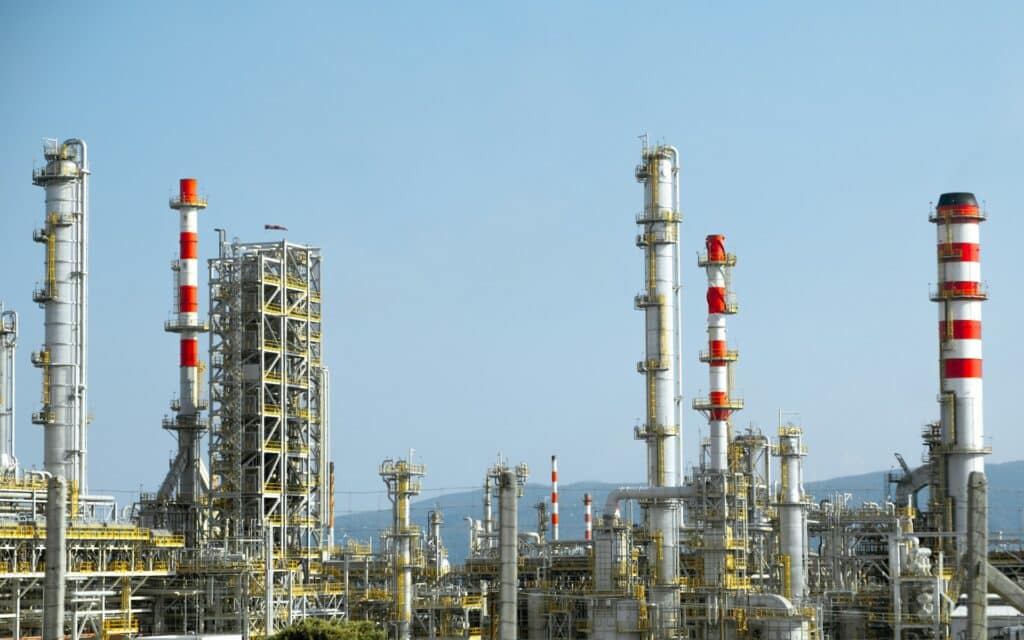
Higher Oil Prices vs. Persistent Payment Challenges
Higher crude prices have generally benefited upstream producers, especially in major shale basins. However, this has not fully translated into faster payments across the entire value chain. Many oilfield service companies and equipment suppliers report that while their customers (the operators) have stronger balance sheets, they are still stretching payment terms or delaying invoices.
Key factors contributing to ongoing B2B payment issues include:
- Cost inflation and margin pressure on service companies, even as operator cash flow improves.
- Project delays and capital discipline by producers, which slow down invoice settlement.
- Longer payment chains typical in the oil and gas industry, where payments often pass through multiple contractors.
- Uncertainty around future oil prices, leading some companies to hold onto cash longer.
According to industry observations and surveys (such as the Dallas Fed Energy Survey), while overall sector activity has stabilized, many service providers continue to face extended receivables and slower collections compared to previous upcycles.
Top Oil & Gas Producing States and Regional Impact
The impact of higher oil prices and payment dynamics varies significantly by region. The top five oil-producing states in the U.S. as of 2025–2026 are:
| Rank | State | Approx. Share of U.S. Production | Key Characteristics |
|---|---|---|---|
| 1 | Texas | ~42–45% | Largest producer; strong cash flow for operators but service companies report longer payment cycles |
| 2 | New Mexico | ~15% | Rapid growth in Permian; high activity but some payment delays among contractors |
| 3 | North Dakota | ~9% | Bakken-focused; more stable payments but sensitive to price volatility |
| 4 | Colorado | ~4–5% | Mixed results; some service providers facing extended receivables |
| 5 | Oklahoma | ~3–4% | Mature basins; relatively steadier collections than high-growth areas |
Texas and New Mexico, which together account for the majority of U.S. oil production, are seeing the most pronounced contrast: strong operator cash flow alongside ongoing complaints from service companies about slow payments.
Natural Gas Production and Regional Payment Dynamics in 2026
While oil prices have received significant attention due to geopolitical tensions, natural gas markets in 2026 are also experiencing volatility. Higher global energy prices and shifting demand patterns have created uneven cash flow across different regions. As with oil, many natural gas producers are seeing improved revenues, but service companies and suppliers in several states continue to report extended payment cycles and rising B2B receivables.
| Rank | State | Approx. Share of U.S. Production | Key Characteristics |
|---|---|---|---|
| 1 | Texas | ~24–26% | Largest natural gas producer; strong operator cash flow but many service companies report longer payment terms and rising receivables |
| 2 | Pennsylvania | ~18–20% | Marcellus Shale dominant; relatively stable collections compared to high-growth areas, though some contractors face delayed payments |
| 3 | Louisiana | ~9–10% | Strong LNG export activity; mixed payment performance with some operators stretching payables amid high operational costs |
| 4 | Oklahoma | ~7–8% | Mature basins with steadier production; generally better payment discipline than high-growth shale regions |
| 5 | West Virginia | ~6–7% | Marcellus and Utica focused; smaller operators and service providers often report slower collections and higher receivables |
Why Professional B2B Debt Collection Matters in Oil & Gas
In the oil and gas sector, business relationships are often long-term and relationship-driven. Aggressive collection tactics can damage future work opportunities. At the same time, allowing large receivables to age increases financial risk for service providers and suppliers.
Professional B2B debt collection agencies that understand the oil and gas industry can help companies recover outstanding invoices while maintaining commercial relationships. They are familiar with industry contract structures, common disputes, and the importance of preserving vendor-operator ties.
How Snap Debt Recovery Supports the Energy Sector
At Snap Debt Recovery, we provide specialized B2B debt collection services for companies operating in the oil and gas industry. Our team understands the unique challenges of project-based billing, long payment chains, and the need for compliant, relationship-focused recovery strategies.
Whether you are an oilfield service company, equipment supplier, or midstream operator dealing with overdue invoices, we can help you recover what you’re owed efficiently and professionally.
Need help collecting outstanding B2B receivables in the oil and gas sector? Contact Snap Debt Recovery today for a confidential consultation. We’ll review your situation and outline the most effective options for recovery.
Call us at (407) 632-4331 or visit snapdebtrecovery.com.
Sources:
- U.S. Energy Information Administration (EIA) – Oil production by state and Short-Term Energy Outlook
- Dallas Fed Energy Survey (2025–2026 reports)
- Industry analysis from Rystad Energy and S&P Global (2025–2026 outlooks)
- World Oil and Oilfield service sector reports on payment delays