
Home › Industries › Landscaping & Snow Removal
Industries · Home and property servicesLandscaping & Snow Removal Debt Collection
Maintenance contracts that stop paying mid-season, snow accounts disputed after a light winter, and installation projects with the final payment held back. Snap Debt Recovery collects past-due accounts for landscaping companies, lawn care companies, snow and ice management contractors and hardscape installers in all 50 states, starting from the paperwork the work runs on: service agreements, work orders and service logs.
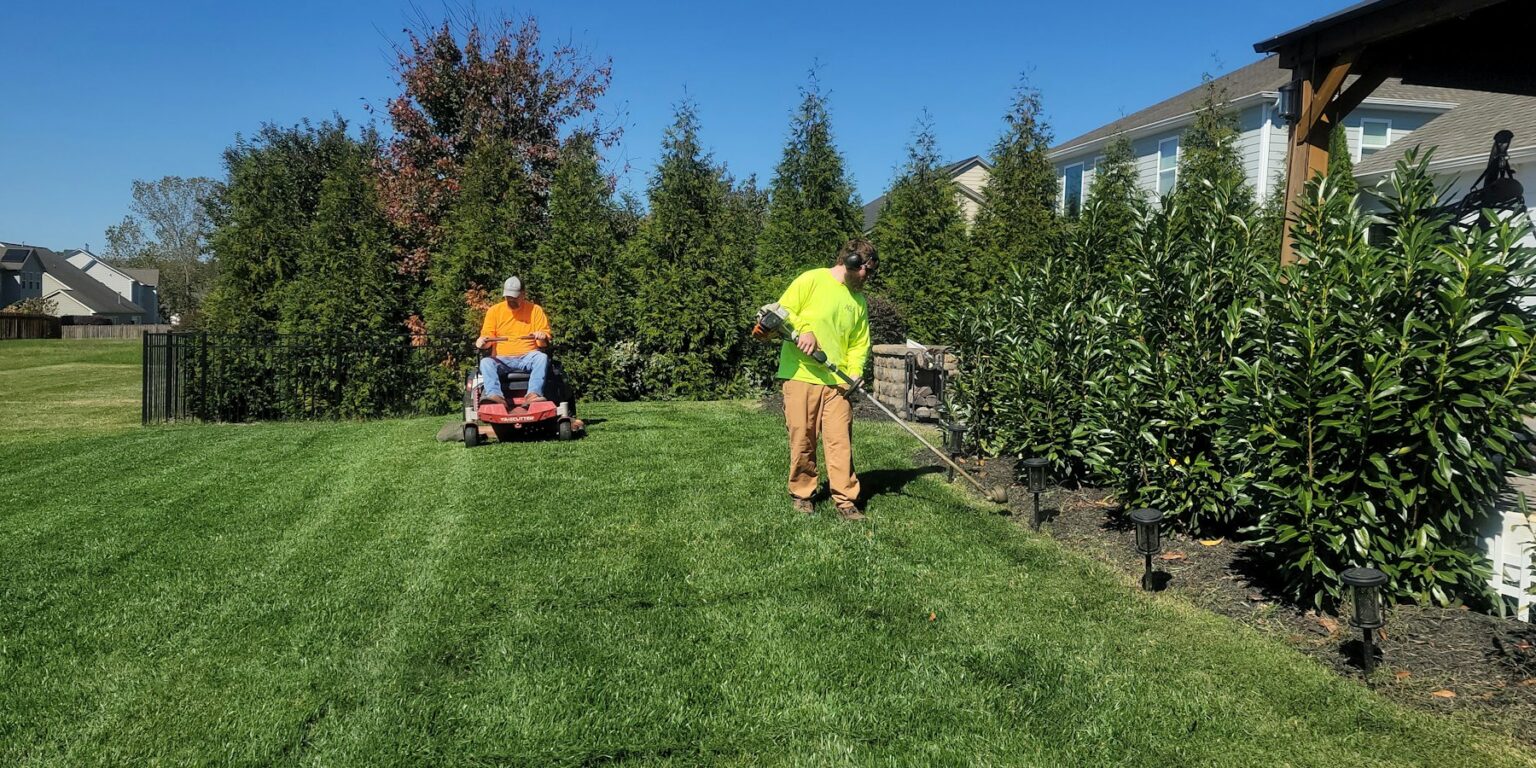
Unpaid balances we see in landscaping and snow removal
Landscape and snow work is seasonal, so a customer who stops paying in the middle of a season can leave months of crew time unpaid before anyone notices. These are the accounts placed with us most often.
Seasonal maintenance contracts
Mowing, bed care, pruning and fertilization billed monthly. The customer stops paying in July but keeps the crews coming until the season ends.
Snow and ice contracts
Per-push, per-event or seasonal flat-rate accounts. After a light winter, the customer stops paying the seasonal installments; after a heavy one, it disputes the number of pushes or salt applications.
HOA and property management accounts
An association changes management companies or boards, and the new decision makers question the contract the old ones signed.
Commercial properties
Retail centers, office parks and apartment communities where a property manager approved extra work, then the owner refused to pay for it.
Installation projects
Hardscape, irrigation, sod, planting and drainage jobs where the final payment is held back over a punch list or a plant that did not survive.
Subcontract work for builders
Landscape packages on new homes or commercial sites, owed by the general contractor or developer that hired you.
Who owes you: owner, association, manager or builder
On many properties, the person who calls about the work is not the one who signed for it. The contract and the signature block decide who is responsible for the balance.
A homeowners association
Look at who signed and in what role. A management company often signs for the association as its agent. If the association is the named party, a new manager or board does not change who signed.
A commercial property
The owner, a management company or a tenant may have signed. When a property is sold, your contract shows who agreed to pay for the work done before the sale.
A general contractor or developer
On construction projects, your subcontract is with the company that hired you. In states with lien rights for landscape work, you may also have rights against the property, with strict notice deadlines.
A homeowner
Lawn care, landscaping and snow removal for a private home are consumer debts, so their collection follows the federal Fair Debt Collection Practices Act and state rules. See consumer collections.
Source: 15 U.S.C. § 1692aThe laws and deadlines that matter
Most landscape and snow accounts are governed by your contract and your state’s contract law. Lien rights and some consumer rules add deadlines that are easy to miss. Florida is shown as one example of how a state handles liens for landscape work; other states differ.
Lien rights for landscape work vary by state
Florida’s construction lien law lists landscaping as an improvement to real property and covers grading, seeding, sodding and planting for landscaping purposes. Other states may not cover landscape work, or cover only some of it. Whether routine maintenance or snow plowing qualifies anywhere is a question for a local attorney.
Source: Fla. Stat. § 713.01Florida: 90 days to record a lien
A claim of lien must be recorded no later than 90 days after the lienor’s final furnishing of labor, services or materials. If the contract is terminated, the deadline can come sooner.
Source: Fla. Stat. § 713.08Florida: notice to owner for subcontractors
A lienor who does not contract directly with the owner, other than a laborer, must serve a notice on the owner before starting or within 45 days after starting to furnish labor, services or materials.
Source: Fla. Stat. § 713.06Florida: disclosure on larger residential contracts
A direct contract with an owner for more than $2,500 of improvements to a home of one to four units must include a required lien disclosure, signed and dated by the owner. Missing it does not bar enforcing a lien against someone who was not adversely affected.
Source: Fla. Stat. § 713.015Contracts sold at the customer’s door
When a seller personally solicits a homeowner and the sale of $25 or more is made at the home, the FTC’s Cooling-Off Rule gives the buyer until midnight of the third business day to cancel. The seller must give a written notice of the right to cancel, and failing to do so is an unfair practice. The rule has exceptions.
Sources: 16 CFR § 429.0 · 16 CFR § 429.1Deadlines to sue
Service contracts follow each state’s deadline for contract claims. See statutes of limitations, and do not let a seasonal account sit for years.
Documents to gather before you place the account
Landscape and snow disputes are usually about whether the work was done, how often and at what price. The more of this you can send, the faster we can move.
- Signed service agreement with the scope, schedule and rates
- Snow terms: trigger depth, per-push and per-application rates, seasonal fee and installments
- Service logs: dated visit records, GPS or time stamps, crew sheets and photos
- Weather records for the snow events you billed
- Work orders and emails approving extra work
- Invoices and a statement of account
- Authority to sign: board approval, management agreement or the signer’s title
- Lien paperwork, if any: notice to owner, claim of lien and your last day of work
- Cancellation notices and complaints, with dates
- Debtor details: legal name, property address, owner and manager contacts
How Snap collects landscaping and snow removal accounts
We follow the same collection process as every account, adapted to how seasonal and property work is contracted and billed.
- Contract reviewWe read the service agreement and snow terms, match them to the invoices, and confirm which owner, association or company is responsible.
- Debtor researchWe confirm the debtor’s legal name and current contacts, including the property owner behind a management company when that matters.
- Contact and documented disputesWe reach the board, owner or accounts payable, not only the site contact, and answer missed-visit and push-count disputes with your logs and photos.
- Payment or a planPayment in full, a payment plan or a settlement within the limits you set. We send you collected funds the month after we receive them.
- Escalation if neededIf the account does not resolve, we recommend next steps. Legal action goes through licensed partner attorneys, and only with your written approval.
When to go to court
A lawsuit makes sense when the contract is signed, the work is logged, the balance justifies the cost, and the debtor still owns the property or runs an active business. If your state gives lien rights for your type of work, the deadlines run from your last day on the job, so place the account early and talk to an attorney before they pass. Our litigation collections page explains how filing works through our partner attorneys, and judgment collections covers what happens after the court rules, when a judgment debtor still has not paid. For a mechanic’s lien and other terms, see our glossary.
Lien and contract rules by state
Lien coverage for landscape work, notice deadlines and court limits all change from state to state. Our state pages cover local deadlines, courts and judgment rules.
Landscaping and snow removal collection FAQs
Can I file a lien for landscaping work?
It depends on the state and the type of work. Florida, for example, lists landscaping as an improvement and covers grading, seeding, sodding and planting (Fla. Stat. § 713.01), with a 90-day deadline to record a claim of lien after your final work (Fla. Stat. § 713.08). Other states treat landscape work differently, and routine maintenance or snow plowing may not qualify. Ask a local attorney before the deadline passes.
The customer says we did not plow as often as we billed. What helps?
Your snow terms and your records. The trigger depth and rates in the contract, dated service logs, GPS or time stamps, photos and weather records for each event are what we use to answer a push-count dispute.
The HOA changed management companies and says the old contract is not its problem. Is that right?
Not necessarily. If the association is the named party, it signed the contract, not the manager, and a new manager or board does not change that. How the contract can be ended is in its termination clause. Send us the contract with the account, and we will take it up with the board.
A commercial property was sold before we were paid. Who owes us?
Start with who signed. The contract shows whether the old owner, a management company or a tenant agreed to pay, and that is usually the party to pursue for work done before the sale. If you have lien rights in that state, talk to an attorney quickly.
The customer canceled a seasonal snow contract after a light winter. Can we collect the rest?
That depends on your contract. If the customer agreed to a seasonal fee paid in installments, the remaining installments may be owed regardless of snowfall. If the contract allows cancellation with notice, the balance is limited to what was due up to that date. We read the terms before we contact the customer.
Do you collect from homeowners?
Yes. Lawn care, landscaping and snow removal for a private home are consumer debts, so we collect them under the federal Fair Debt Collection Practices Act and state rules. If the contract was sold at the customer’s door, the FTC’s Cooling-Off Rule may also apply. See consumer collections.
What do you need from me to get started?
The signed service agreement, invoices, a statement of account and your service logs or photos. For snow accounts, include the snow terms and the dates of each event you billed.
How much does it cost?
Our fees depend on the age of the account, the balance and the volume you place. Send us the details for a free quote.
Sources
The rules on this page come from the Florida statutes, federal regulations and federal law below. Florida is shown as one example of a state lien law; lien rights, notices and deadlines differ in every state.
- Fla. Stat. § 713.01, Definitions, construction liens (Florida Legislature)
- Fla. Stat. § 713.08, Claim of lien (Florida Legislature)
- Fla. Stat. § 713.06, Liens of persons not in privity; notice to owner (Florida Legislature)
- Fla. Stat. § 713.015, Mandatory provisions for direct contracts (Florida Legislature)
- 16 CFR § 429.0, Definitions, Cooling-Off Rule (Legal Information Institute, Cornell Law School)
- 16 CFR § 429.1, The Rule (Legal Information Institute, Cornell Law School)
- 15 U.S.C. § 1692a, Definitions, Fair Debt Collection Practices Act (Legal Information Institute, Cornell Law School)
Last reviewed: November 8, 2026
Have an unpaid landscape or snow account?
Send us the contract, the invoices and your service logs. We will review the account and tell you how we would collect it.
This page is general information for businesses, not legal advice. Laws and deadlines change and depend on the facts of each account; legal action is handled by licensed attorneys in the relevant state.